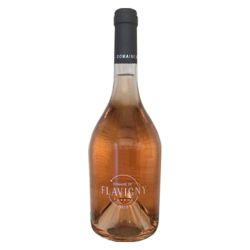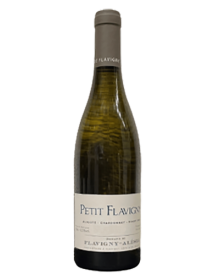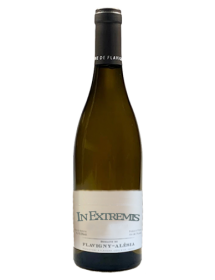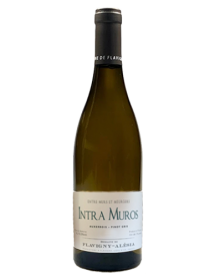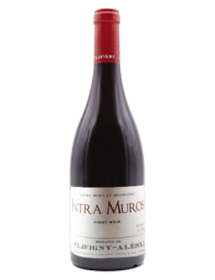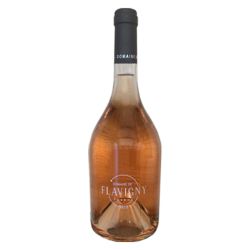
Available individually


Domaine de Flavigny-Alésia is a wine estate located in Burgundy, which extends over 14 hectares in the Pays d'Auxois, between Flavigny-sur-Ozerain and the oppidum of Alésia, the presumed site of the famous battle between the Gallic leader Vercingetorix and Caesar in 52 BC.
The vines are planted on the hillside, on a horizontal strip about 200 metres wide and between 250 and 350 metres above sea level. In addition to the historical interest of the place, the originality of the Domaine de Flavigny-Alésia lies in the grape varieties grown. There are of course the traditional Burgundian grape varieties, Chardonnay and Aligoté in white, and Pinot Noir in red, but also rare Burgundy grape varieties such as Pinot Beurot for the elaboration of a macerated rosé, Auxerrois, a very expressive white grape variety, and César, a rustic red grape variety with low yields, mainly known for being used in the blend of Irancy wines. The wines are produced under the appellation "Coteaux de l'Auxois".
The wines of the Pays d'Auxois were already known in the 13th century and the region still had 2600 hectares of vines before phylloxera. The vineyard almost completely disappeared in the 20th century only to be reborn in the early 1990s on the initiative of Gérard Vermeere. In 2002, Ida Nel took over the project by entrusting the estate to Cyril Raveau, oenologist from the University of Dijon and former Cellar Master of the famous Domaine Hubert de Montille in Volnay.
Since its rebirth, the estate has been committed to healthy cultivation practices for humans, the vine and nature: plant-based preparations developed on the estate (manure and decoctions based on horsetail and nettle against mildew and powdery mildew), no insecticides used for 30 years, biodiversity, protection of flora (hedges, groves, woods, meadows and pastures) and fauna.