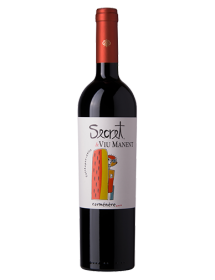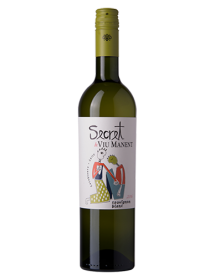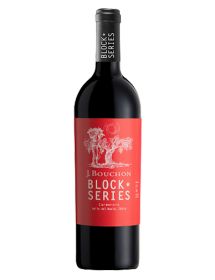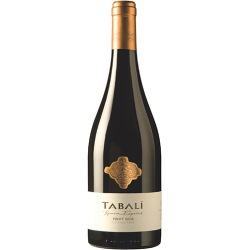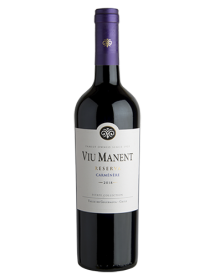
Product available with different options


The first vines were planted in Chile in the 16th century but until very recently, in the early 90s, the vast majority of grapes harvested were destined for local consumption. Almost unknown outside of Chile 30 years ago, Chilean wines have developed very rapidly in just a few years, both in quantity and quality, under the impetus of pioneering winemakers such as the Catalan Miguel Torres.
These pioneers saw in the geographical environment of the Chilean vineyard, a narrow ribbon of land stretching for almost 4500 km from north to south, backed by the Andes Mountains and looking out over the Pacific Ocean, perfect conditions for the ripening of the grapes, with heat during the day and coolness at night. In addition, the geographical isolation of the country as well as the vigilance of the authorities made it possible to prevent phylloxera, which devastated most of the world's vineyards in the 19th century, and Chilean vines are therefore often free-standing, i.e. not grafted, which is almost unique in the world.
Red grape varieties occupy 70% of the surface area and Cabernet Sauvignon represents half of the surface area for red wines, followed by Merlot. But it is the Carménère that is now the emblematic Chilean grape variety:Chilean winemakers saw the potential of this red grape variety quite early on, which was once very present in the Bordeaux vineyards but which has now almost completely disappeared. The white wines are mainly made from the Sauvignon and Chardonnay grape varieties, which account for more than half of the area. There are still a few grape varieties brought by the Spaniards such as Moscatel, Torontel and País, the latter still occupying 15000 hectares, which has been growing strongly since the 2010s, thanks to a significant revival of interest both in Chile and among amateurs around the world.
Chile is now the 6th largest wine producing country in the world, just behind Argentina, with a vineyard of almost 120,000 hectares. The main wine regions are the Valle de Maule, the Valle del Limari, the Valle de Colchagua and the Valle de Aconcagua.