ROSÉ WINES
Discovering rosé wines
In France, Provence is the leading rosé wine production region, in the Côtes-de-Provence, Coteaux d'Aix-en-Provence and Coteaux Varois en Provence appellations, with 40% of French rosé wine production. There are also very good rosé wines in Italy and also in the United States, where consumption has increased significantly over the past ten years.

Everything you need to know about rosé wines
The grape varieties of the rosé wines of France
Among the main grape varieties of rosé wines are:
- Grenache, Carignan, Mourvèdre, Syrah, Cinsault in Languedoc, Provence and Rhône.
- Barbarossa, Nielluccio, Vermentino and Sciacarello in Corsica
- Pinot Noir in Burgundy (Marsannay) and in the Loire Valley (Sancerre and Menetou-Salon).
- Cabernet Franc, Cabernet Sauvignon, Grolleau, Pineau d'Aunis, Gamay and Côt in the Loire Valley (Anjou, Touraine).
- Cabernet Sauvignon, Cabernet Franc and Merlot in Bordeaux.
How do you make a rosé wine?
The most common (wrong) answer given to this question is still "by a mixture of red wine and white wine".....
And yet in France, only certain sparkling rosé wines such as Champagne can be made in this way. Many countries allow the production of still rosé wines (non-sparkling) by blending and in 2009, pressure from Australian, American and South African producers almost led to the adoption of this process in Europe, a bill that was eventually abandoned by the European Commission. It is therefore important to distinguish between rosé wines produced in the traditional way and wines produced, often industrially, by blending white and red wine.
So the answer is: no, still rosé wines produced in Europe cannot be made from a mixture of red and white wine. They can only be obtained by maceration, pressing or bleeding of red-skinned white grapes.
Methods of making rosé wine
Pressing consists of producing rosé wines from black-skinned grapes that are pressed directly without allowing the juice to remain in contact with the skins that provide the anthocyanins, i.e. the colour of the wine. The juice therefore remains very clear, from an almost white rosé to a salmon rosé and the resulting wines are low in tannins and intended for quick consumption.
Maceration consists of allowing the clear juice of the grapes to macerate in contact with the black skins, which impregnate the juice and give the wines more intense colours and a certain tannic structure. Once the maceration is complete, usually of a fairly short duration, from a few hours to 24 hours, the wort is pressed to separate the skins and seeds from the juice, which will then ferment on its own at a controlled temperature.
Bloodletting consists of letting the clear juice macerate in contact with the black skins as for maceration but to produce red wines. After a few hours of maceration, part of the juice is punctured at the bottom of the vat to obtain rosé wines, hence the name saignée and the rest of the harvest is left in the vat to produce red wine. Wines obtained by maceration and bleeding have brighter pink colours: raspberry, pomegranate, etc.
Which rosé with which meal?
Light rosés from Provence and Corsica: obtained mainly by direct pressing, they offer floral and fruity aromas (citrus) and can be enjoyed as an aperitif with tapenade for example or with simple dishes such as salads, pizzas, cold meats, or raw fish.
Powerful rosés from the Rhône and Provence: whether it is the rosé wines of Bandol made mainly from the Mourvèdre grape variety or the wines of Tavel in the south of the Rhône Valley, mainly from the Grenache grape variety, these are quite powerful and more structured rosé wines that can be kept for a few years in the cellar before being tasted with grilled meat and fish and slightly spicy dishes, whether they are local (aioli) or from elsewhere (curry, couscous).
Rosés from the Loire and Bordeaux: supple and aromatic rosé wines with notes of red fruits, violets, sour candy, to be drunk as an aperitif or to be enjoyed with pizzas, grilled meats or pasta.
Sort by:
Price, low to high
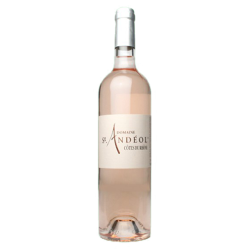
This Côtes-du-Rhône rosé 2019 is produced by Domaine Saint-Andéol in Cairanne with only 2000 bottles.
Made mainly from Grenache, it offers a beautiful pale colour and...
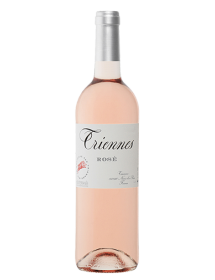
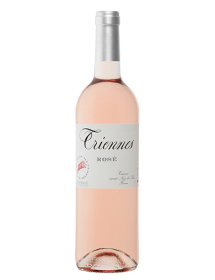
This rosé from Provence in IGP Méditerranée is offered by the Domaine de Triennes and offers a very pale colour. Its nose reveals aromas of red fruits and marshmallow and it...
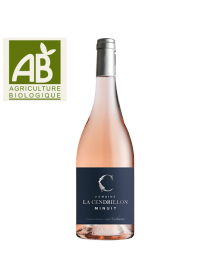
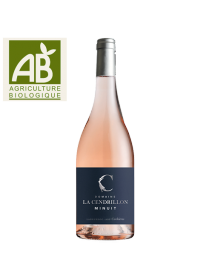
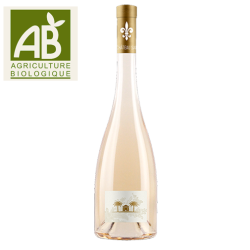
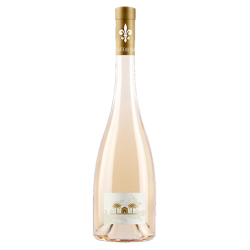
The Cuvée Minuit is a rosé wine from the Domaine de La Cendrillon in the Corbières appellation, certified organic.
This beautiful wine offers a pale pink colour with a...
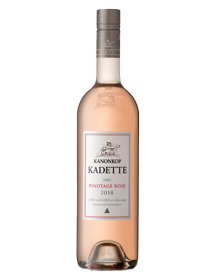
Kanonkop's 2020 Kadette cuvée is a rosé wine made from 100% of the South African grape variety Pinotage, made by direct pressing. It is a beautiful rosé with an elegant and...
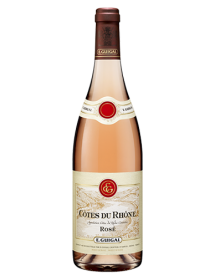
This 2021 Côtes-du-Rhône from Domaine Guigal is a rosé wine from the southern Rhône Valley, made from 70% Grenache, 20% Cinsault and 10% Syrah, a rosé wine of bleeding...
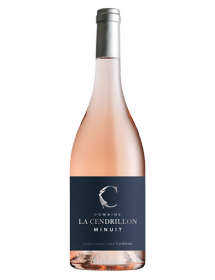
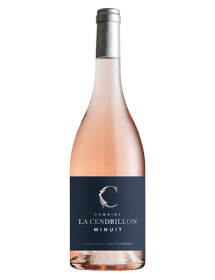
The Cuvée Minuit 2025 is a rosé wine from the Domaine de La Cendrillon in the Corbières appellation, certified in organic farming.
This beautiful wine offers a pale...
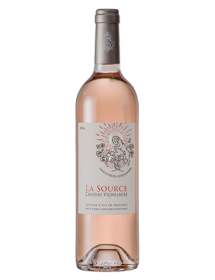
This 2022 La Source cuvée from Château Vignelaure is a rosé wine from Provence in the Coteaux d'Aix-en-Provence appellation, in organic farming. It is made from a blend of...
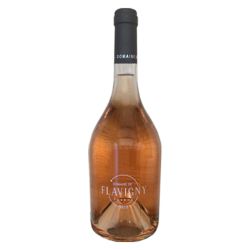
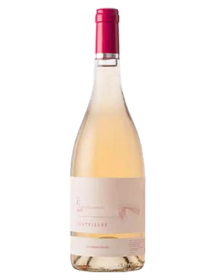
Signature is the rosé cuvée of the Domaine de Flavigny-Alésia: a rosé wine far from the beaten track of the south of France, originating from Burgundy in IGP...
New

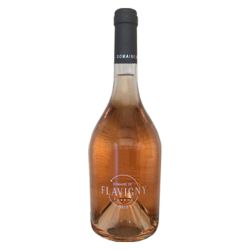
Signature is the rosé cuvée of the Domaine de Flavigny-Alésia: a rosé wine far from the beaten track of the south of France, originating from Burgundy in IGP...
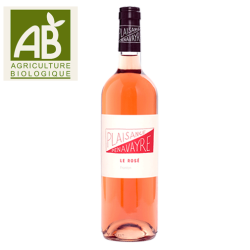
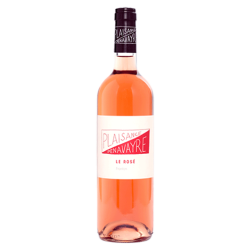
This cuvée Le Rosé 2022 is a rosé wine in the Fronton appellation (AOP) produced by Domaine Plaisance Penavayre from the Négrette grape variety for 80%, the emblematic grape...
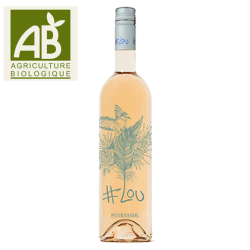
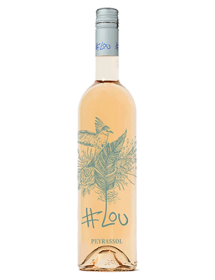
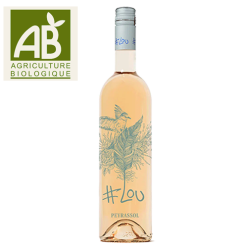
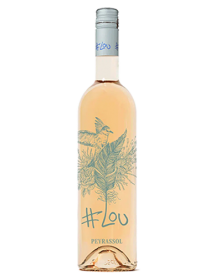
This 2024 #Lou cuvee from the Commanderie de Peyrassol is a rosé wine in Côtes-de-Provence AOP made from Cinsault, Grenache and Syrah grape varieties.
It has a pale pink...
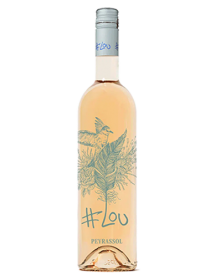
This 2025 #Lou cuvee from the Commanderie de Peyrassol is a rosé wine in Côtes-de-Provence AOP made from Cinsault, Grenache and Syrah grape varieties.
It has a pale pink...
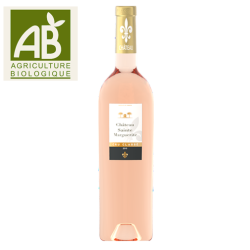
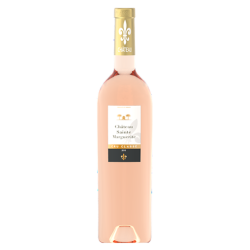
Château Sainte Marguerite offers, with this Grande Réserve 2019 cuvée, a rosé wine with a clear, clear and brilliant salmon colour. The nose is fruity and greedy...
This cuvée "Le C", also called "Le rosé des sept oubliés" is an original rosé wine from the Minervois in IGP Côtes du Brian, made from all the grey grape varieties of the Clos...
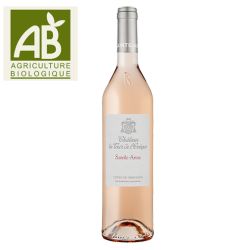
Sainte-Anne 2025 is a rosé wine cuvée in the Côtes-de-Provence appellation, produced by Château La Tour de L'Evêque in the Var region in Provence, in organic farming....
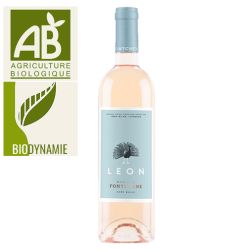
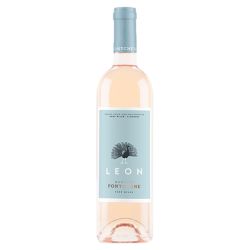
The Léon 2022 cuvée is a rosé wine from Provence from Domaine Fontchêne produced biodynamically by René Milan in the IGP Alpilles appellation.
Made exclusively from...
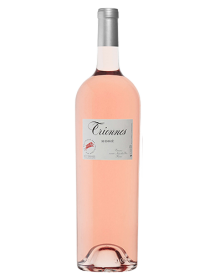
This Magnum of rosé from Triennes has a very pale colour. Its nose reveals aromas of red fruits and marshmallow and it is round, harmonious and well balanced in the mouth....
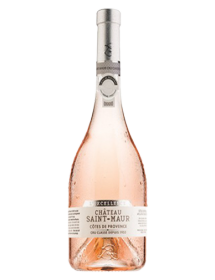
Château Saint-Maur's 2021 L'Excellence cuvée, Cru Classé de Provence, is a rosé wine made from the Grenache, Syrah, Tibouren and Rolle grape varieties, the estate's...
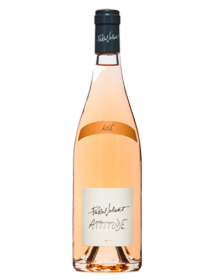
This Sancerre Rosé SIgnature from Pascal Jolivet develops aromas of red fruits with a lot of freshness and elegance .
Pascal Jolivet's Sancerre Rosé Signature is a...
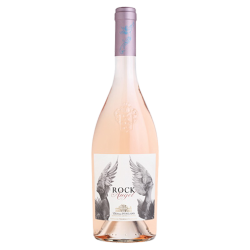
Rock Angel 2018 is an AOC Côtes-de-Provence rosé wine from Château d'Esclans located in the Var, in La Motte en Provence not far from Saint-Tropez.
Rock Angel 2018 is a...
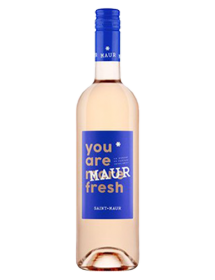
The "You are Maur" cuvée from Château Saint-Maur is a rosé wine from plots classified as IGP Pays-du-Var located on the banks of the Giscle, a small stream at the foot of...
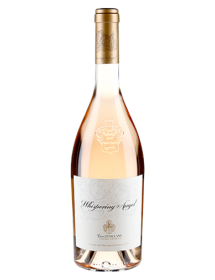
Whispering Angel is a rosé wine in Côtes-de-Provence AOP, from Château d'Esclans located in the Var, in La Motte en Provence not far from Saint-Tropez.
Airy,...
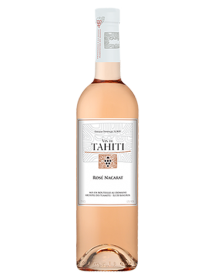
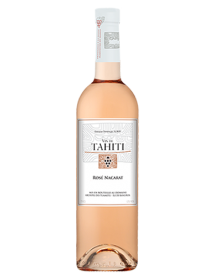
This extraordinary and improbable rosé wine is produced in the heart of the South Pacific in Tahiti in the Tuamotu archipelago in French Polynesia, on the atoll of Rangiroa....
This Nacarat cuvée is an extraordinary and improbable rosé wine, produced in the heart of the South Pacific in Tahiti in the Tuamotu archipelago in French Polynesia, on the...
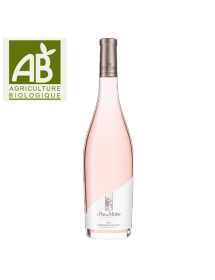
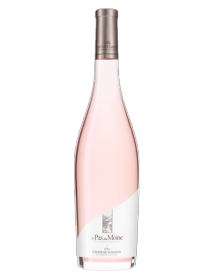
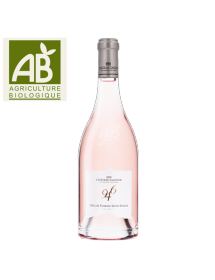
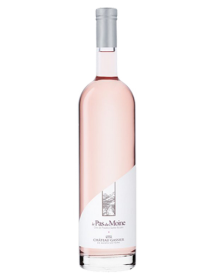
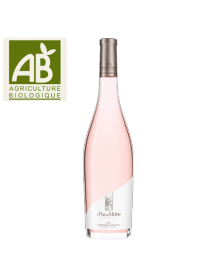
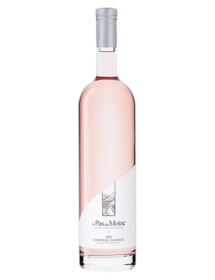
Château Gassier Le Pas du Moine 2021 is an exceptional rosé wine produced by Château Gassier in AOP Côtes-de-Provence Sainte-Victoire, certified in organic farming. Its name...
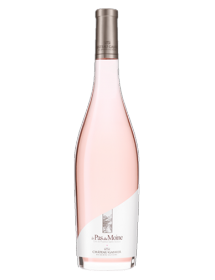
Château Gassier Le Pas du Moine 2023 is an exceptional rosé wine produced by Château Gassier in AOP Côtes-de-Provence Sainte-Victoire, certified in organic farming. Its name...
-10%
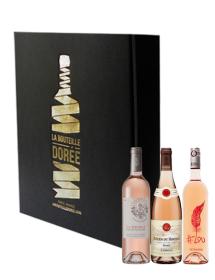
Here is a wine box with 3 bottles of rosé wines from Provence, selected by La Bouteille Dorée and which will be placed in a beautiful black and gold gift box....
-15%
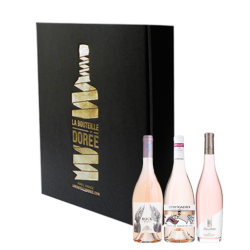
Here is a wine box with 3 bottles of rosé wines, in the Côtes-de-Provence appellation, selected by La Bouteille Dorée and which will be placed in a beautiful...
This Jeroboam, a beautiful 3-litre bottle of rosé wine, from the Domaine de Triennes, has a very pale colour. Its nose reveals aromas of red fruits and marshmallows. It is...
Château Sainte Marguerite's Symphonie 2025 is a rosé wine of great gastronomy with a very light and bright pink colour. The nose is delicate with marked notes of white...
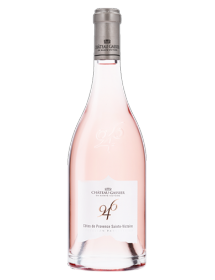
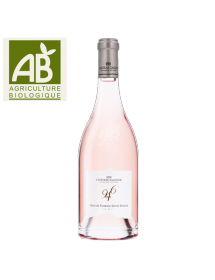
This cuvée 946 is an exceptional rosé wine produced by Château Gassier in AOP Côtes-de-Provence Sainte-Victoire, certified in organic farming. It is at an altitude of 946...
This 2021 #Lou cuvée from the Commanderie de Peyrassol is a rosé wine in Côtes-de-Provence AOP made from the Cinsault, Grenache and Syrah grape varieties.
It has a pale...
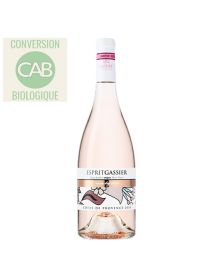
Esprit Gassier 2021 is a rosé wine in Côtes-de-Provence AOP, in the last year of conversion to organic farming, offered here in a 3-litre Jeroboam, a beautiful bottle of...
Château Gassier Le Pas du Moine 2021 is an exceptional rosé wine produced by Château Gassier in AOP Côtes-de-Provence Sainte-Victoire, certified in organic farming. Its name...
This cuvée 946 is an exceptional rosé wine produced by Château Gassier in AOP Côtes-de-Provence Sainte-Victoire, in the last year of conversion to organic farming. It is at an...
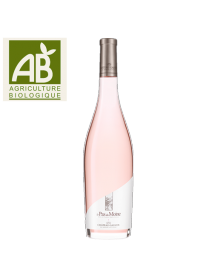
Château Gassier Le Pas du Moine 2021 is an exceptional rosé wine produced by Château Gassier in AOP Côtes-de-Provence Sainte-Victoire, certified in organic farming. Its name...